
October is Domestic Violence Awareness Month, and Kingdom Builders Global Women’s Ministry is shining the light on the need for greater awareness, support, and research.
Introduction
In a world that often bombards women and girls with unrealistic expectations and constant comparisons, self-love emerges as a beacon of hope and empowerment. Embracing self-love is crucial for fostering inner strength, confidence, and a positive self-image. This document aims to explore the concept of self-love, its importance, and practical ways for girls to cultivate and embrace it in their daily lives.
Understanding Self-Love
Self-love is not about vanity or narcissism; it is about recognizing and valuing one’s worth and taking care of oneself physically, emotionally, and mentally. It involves accepting oneself unconditionally, celebrating one’s strengths, and acknowledging areas of growth without harsh judgment. True self-love is rooted in self-compassion, self-respect, and self-awareness.
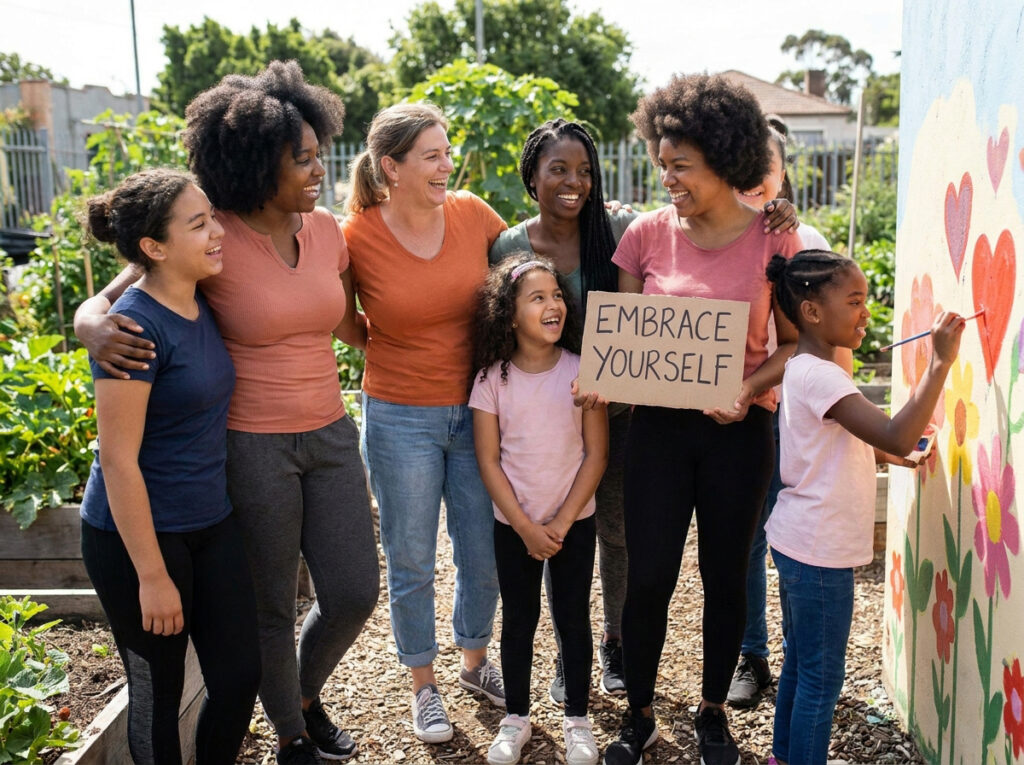
Components of Self-Love
Self-Compassion: Being kind and understanding towards oneself, especially during difficult times, is a fundamental aspect of self-love. It involves treating oneself with the same kindness and care one would offer to a friend.
Self-Respect: Respecting oneself means setting healthy boundaries, recognizing one’s needs, and not settling for less than what one deserves. It includes making choices that align with one’s values and well-being.
Self-Awareness: Being in tune with one’s emotions, thoughts, and behaviors is crucial for understanding oneself better. Self-awareness enables individuals to recognize patterns, identify triggers, and make informed decisions.
The Importance of Self-Love
Self-love is the foundation for a healthy and fulfilling life. It influences how girls perceive themselves and interact with the world around them. Here are some key reasons why self-love is essential.
Boosts Confidence: When girls love themselves, they develop a strong sense of self-worth and confidence. This empowers them to pursue their dreams, take risks, and overcome challenges.
Enhances Mental Health: Practicing self-love reduces the likelihood of negative self-talk, anxiety, and depression. It promotes a positive mindset and emotional resilience.
Improves Relationships: Self-love sets the tone for healthy relationships. When girls value themselves, they attract and maintain relationships that are respectful, supportive, and nurturing.
Encourages Personal Growth: Embracing self-love fosters a growth mindset. Girls become more open to learning from their experiences, embracing change, and striving for personal development.
Practical Ways to Cultivate Self-Love
Cultivating self-love is a continuous journey that requires intentional effort and practice. Here are some practical ways for girls to nurture self-love:
1. Practice Self-Care
Engage in activities that promote physical, emotional, and mental well-being. This includes regular exercise, healthy eating, adequate sleep, and relaxation techniques such as meditation or yoga.
2. Challenge Negative Self-Thoughts
Identify and challenge negative beliefs or thoughts about oneself. Replace them with positive affirmations and remind oneself of one’s strengths and achievements.
3. Set Boundaries
Learn to say no to things that do not align with one’s values or well-being. Setting boundaries protects one’s mental and emotional health and fosters self-respect.
4. Surround Yourself with Positivity
Surround oneself with supportive and uplifting people who encourage growth and positivity. Limit exposure to negative influences, including toxic relationships and media.
5. Engage in Creative Expression
Explore creative outlets such as art, music, writing, or dance. Creative expression allows one to connect with their inner self and express emotions in a healthy way.
6. Celebrate Achievements
Acknowledge and celebrate one’s accomplishments, no matter how small. Recognizing progress fosters a sense of pride and motivation.
7. Practice Gratitude
Keep a gratitude journal and regularly write down things one is thankful for. Practicing gratitude shifts focus from what is lacking to what is abundant in one’s life.
8. Seek Professional Support
If needed, seek support from a therapist or counselor. Professional guidance can provide valuable insights and strategies for cultivating self-love and addressing underlying issues.
Conclusion
Self-love is a transformative journey that empowers women and girls to embrace their true selves and live authentically. By understanding the components of self-love and implementing practical strategies, girls can nurture their inner strength, build confidence, and lead fulfilling lives. It is essential to remember that self-love is not a destination but a lifelong practice of self-compassion, respect, and awareness. Embrace the journey, celebrate progress, and always prioritize self-love.